
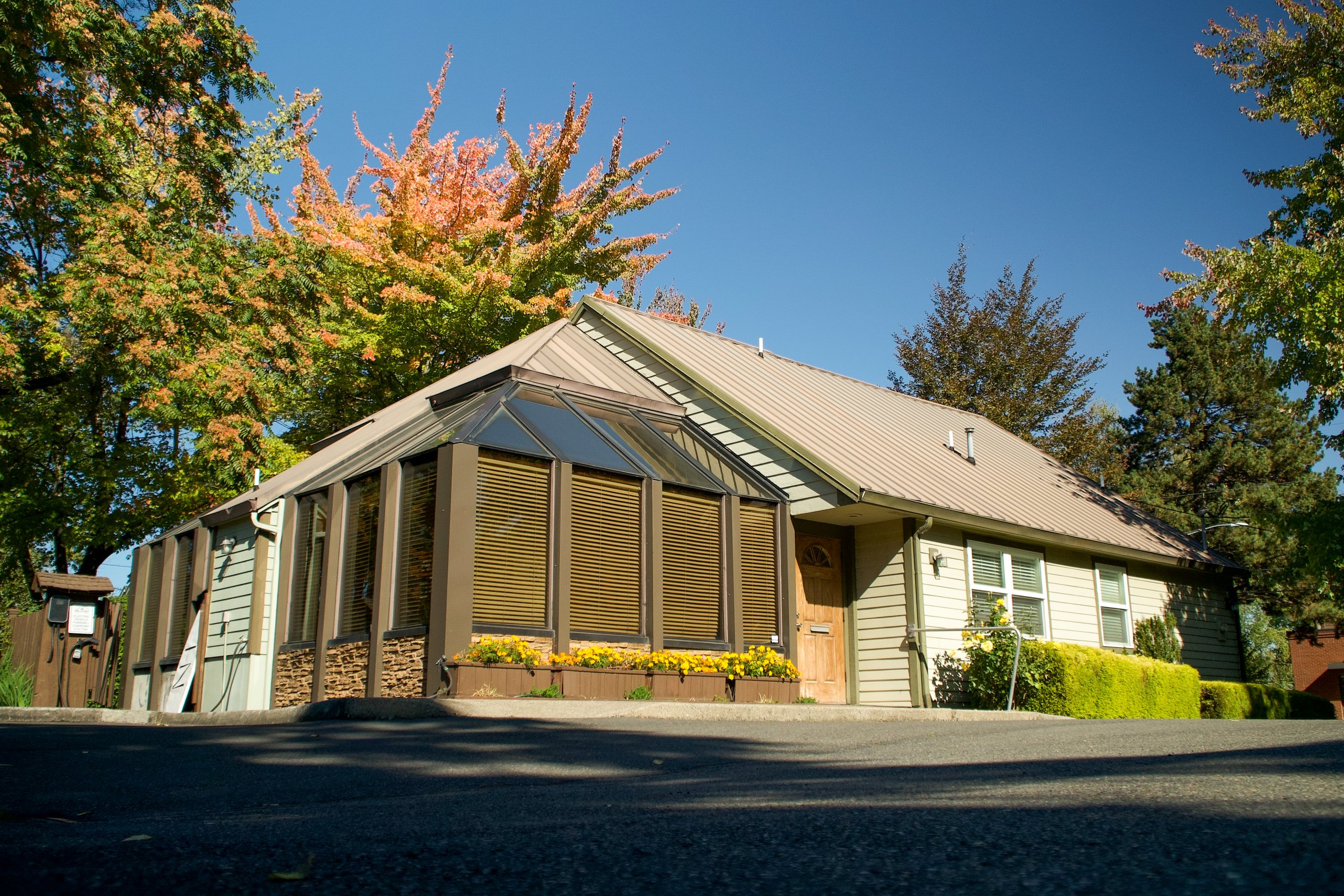
Biomimetic Dentistry in Salem
Dentistry Designed to Preserve Your Natural Tooth
Not all dental work is built to last. Traditional treatment often removes healthy tooth structure to make room for a crown or filling, weakening the tooth in the process. Biomimetic dentistry takes a different approach.
At Nob Hill Dental, Dr. Alexander Zuk uses biomimetic techniques to conserve as much of your natural tooth as possible, seal it against future decay, and restore it with materials that bond to your tooth and flex with it the way natural enamel and dentin do. The result is a restoration designed to protect your tooth for the long term, not just get you through the next few years.
What Is Biomimetic Dentistry?
Biomimetic dentistry is a conservative, evidence-based approach to restoring damaged teeth by mimicking the natural structure, strength, and function of a healthy tooth. Rather than shaping a tooth down to fit a standardized crown, biomimetic techniques remove only what is damaged or infected and rebuild the tooth in a way that mirrors its original biomechanics.
This approach isn't yet widely taught in dental schools. It requires additional training, more time in the chair, and more advanced materials. We've invested hundreds of hours mastering these techniques because we believe the long-term outcomes for our patients are simply better: stronger teeth, fewer root canals, and restorations that hold up over time.
The Problem With Traditional Crowns
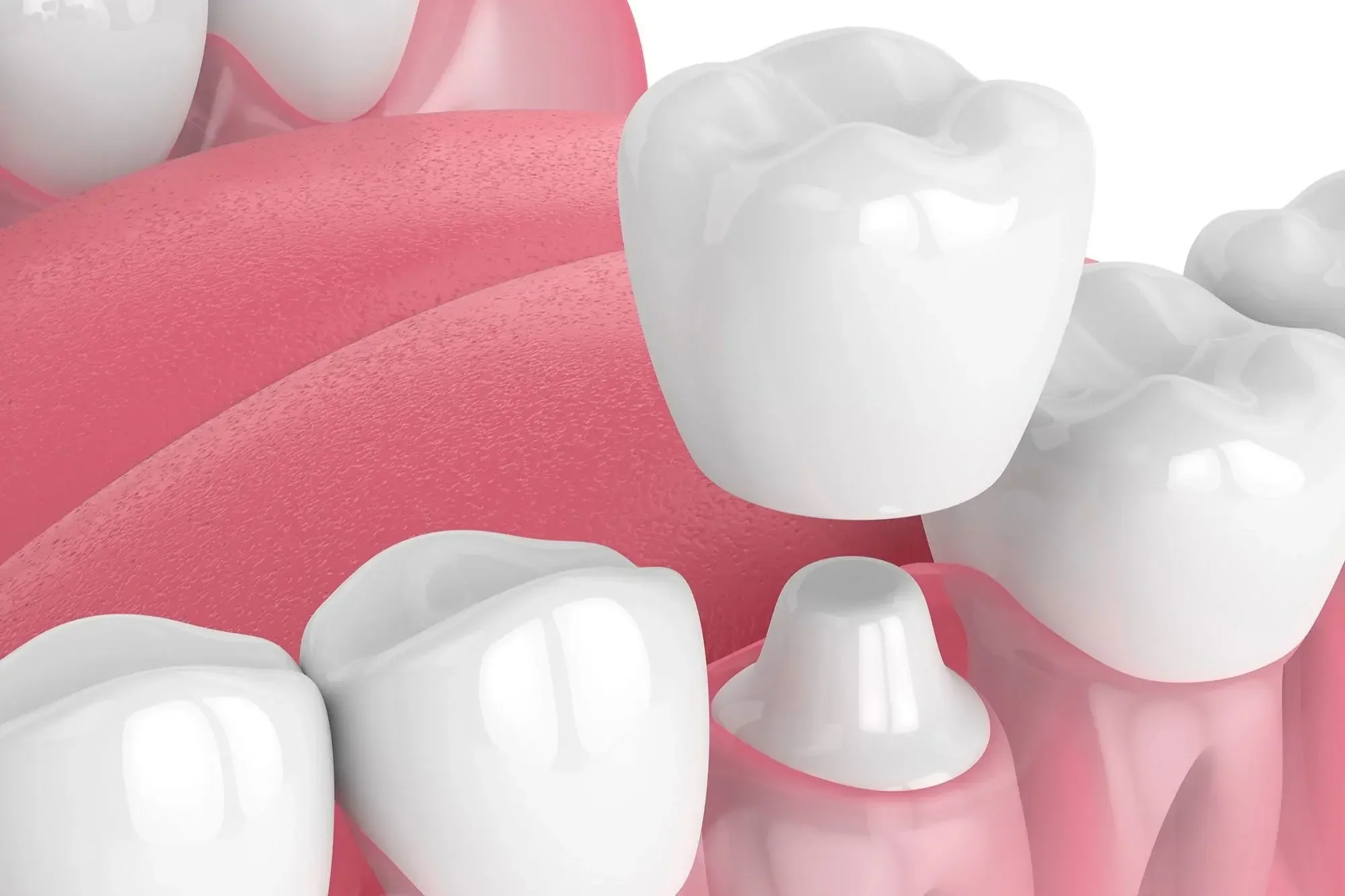
Traditional crowns require significant healthy tooth structure to be removed to create a stable base, even when the damage itself is limited. Over time, these restorations are prone to “microleakage”, tiny gaps where bacteria and fluid seep in beneath the crown, slowly breaking down the tooth underneath, much like moisture rotting wood from the inside. This hidden deterioration can lead to root canals and, in some cases, tooth loss.
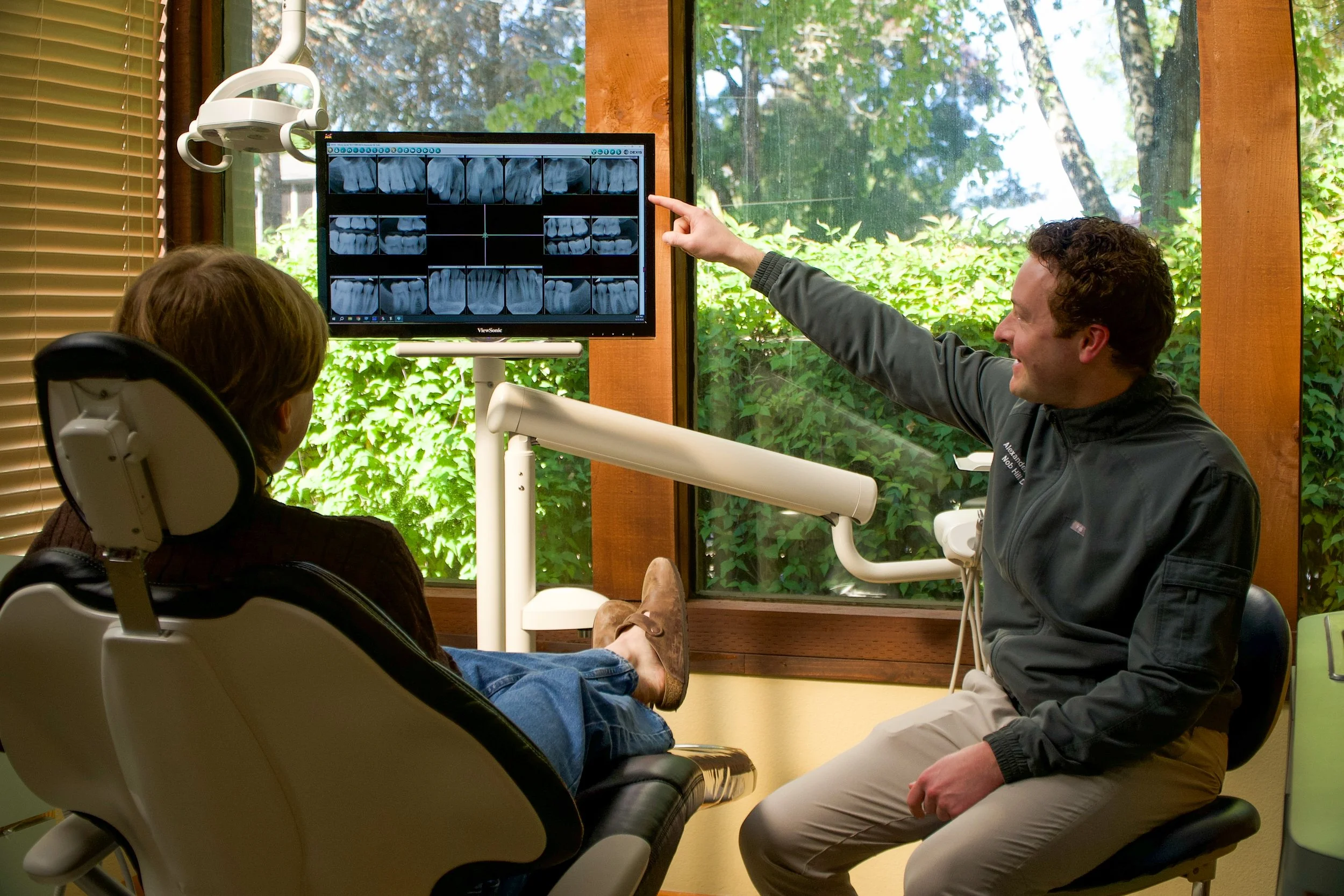

Biomimetic Techniques We Use
Immediate Dentin Sealing (IDS)
As soon as decay or damage is removed, we seal the exposed dentin immediately, before any impression or temporary restoration is placed. This protects the nerve of the tooth from bacterial contamination and significantly lowers the risk of needing a root canal.
Bonded Ceramic Overlays and Onlays
Instead of a traditional crown, we often recommend a bonded ceramic overlay or onlay. These restorations remove about half as much tooth structure as a crown. They seal the entire tooth to help prevent decay underneath, and because they bond directly to the tooth, they flex naturally with it rather than acting like a rigid cap.
Deep Margin Elevation (DME)
For teeth with decay or damage extending below the gumline, deep margin elevation allows us to rebuild the margin of the tooth without invasive surgery to expose more of the root. This keeps the restoration process minimally invasive while still achieving a strong, leak-free seal.
Crack Diagnosis and Management
Cracked teeth are often difficult to detect and easy to miss without the right tools. Using high-magnification loupes, we carefully evaluate cracked or fractured teeth, remove the crack to its endpoint when needed, and reinforce the tooth to prevent the crack from progressing toward the root.
Benefits of Biomimetic Dentistry
Preserves More of Your Natural Tooth
Because we remove only the damaged tooth structure, our biomimetic restorations conserve significantly more of your original tooth compared to traditional crowns.
Healthier Gum Tissue
Because less of the tooth is altered and margins can be kept more conservative, patients often experience healthier, less inflamed gum tissue around biomimetic restorations compared to traditional crowns.
Lowers the Risk of Root Canals
Techniques like immediate dentin sealing have been shown to reduce the risk of a tooth needing a root canal after restoration, protecting the nerve and preserving the tooth's long-term vitality.
A More Natural, Long-Lasting Result
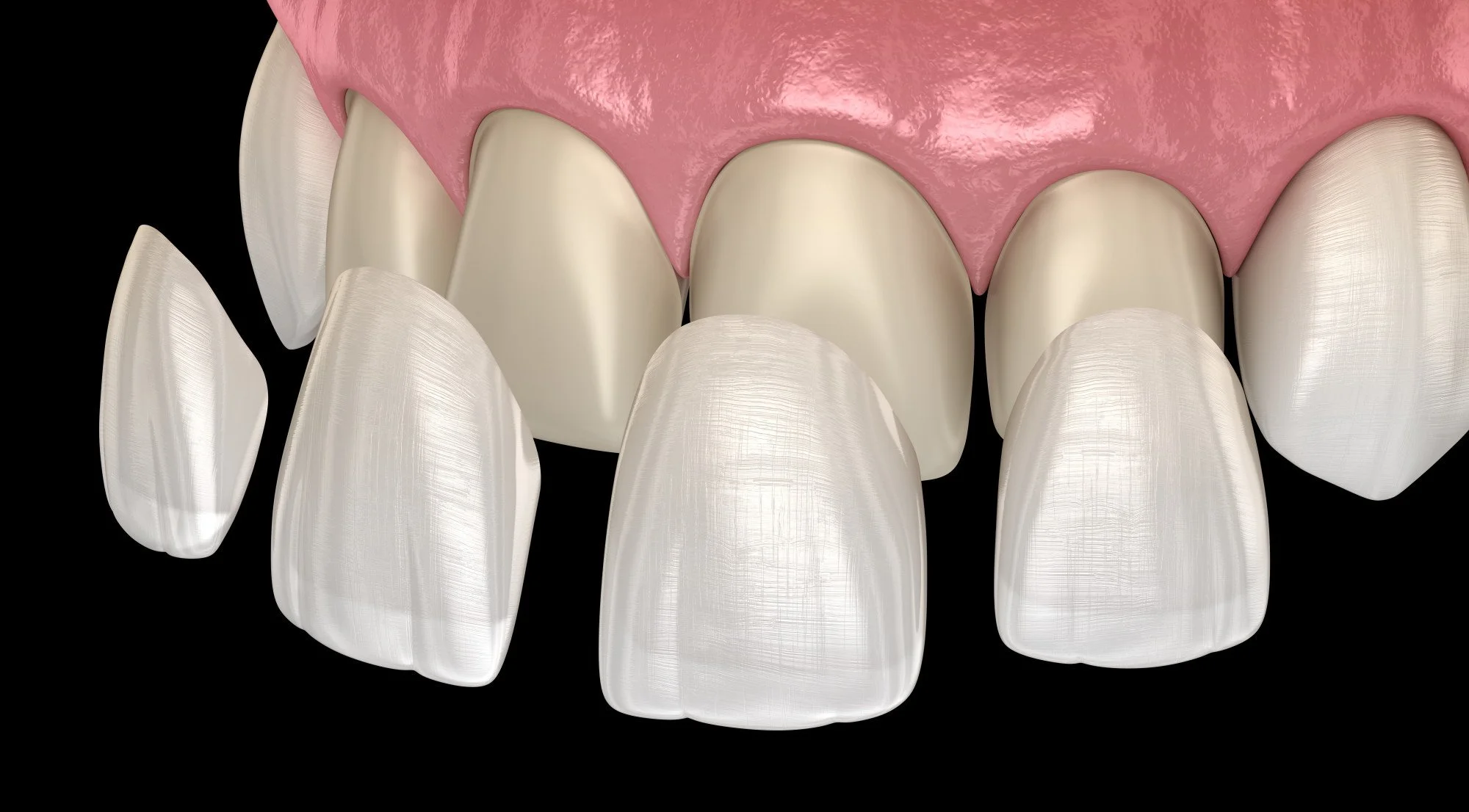
Bonded ceramic restorations are matched to your natural tooth color and translucency, giving you a result that looks and functions like a healthy, natural tooth.

Stronger, More Durable Bond
Bonded ceramic restorations flex and function more like a natural tooth, reducing the stress and weakening effect that rigid crowns can place on tooth structure over time.
Who Is a Candidate for Biomimetic Dentistry?
Everyone - we use biomimetic techniques for a wide range of situations, including:
● Teeth with cracked or fractured fillings
● Large or failing old restorations
● Teeth at risk of needing a root canal
● Patients who want to avoid an unnecessary crown or root canal
● Teeth with deep decay near the gumline
● Patients seeking a longer-lasting alternative to traditional crowns
During your exam, we'll evaluate your specific tooth and walk you through which biomimetic technique, if any, is the right fit for your situation.

What to Expect During Your Visit
We typically complete biomimetic restorations over two appointments rather than one, since the process involves additional steps like immediate dentin sealing and precise ceramic fabrication. This extra time allows us to protect the tooth at every stage rather than rushing the process. While biomimetic treatment takes slightly longer than a traditional crown, the payoff is a restoration engineered to last and one that will be easier to repair rather than replace if it's ever needed.
FAQs
-
Traditional fillings and crowns often require removing healthy tooth structure to create a stable shape, and they don't always seal the tooth against future bacterial leakage. We remove only the damaged portion of the tooth and use bonded, sealed restorations designed to replicate the strength and flexibility of a natural tooth.
-
Biomimetic restorations generally involve higher material costs and additional appointment time compared to a traditional crown or filling. Many patients find the investment worthwhile, since these restorations are designed to reduce the risk of future root canals, additional dental work, and more costly treatment down the road.
-
No. We perform the procedure with the same anesthesia and comfort measures used in any restorative treatment. Most patients find the experience no different from a standard filling or crown appointment, aside from the additional time involved.
-
In many cases, yes. Techniques like immediate dentin sealing protect the nerve of the tooth from bacterial contamination right after decay is removed, which can significantly lower the likelihood that a compromised tooth will later need root canal treatment.
-
While every case is different, biomimetic restorations are designed to outperform traditional crowns over the long term because they preserve more natural tooth structure and create a stronger, better-sealed bond. Should a restoration ever need attention, the conservative approach also makes it easier to repair.
-
Biomimetic techniques require specialized training that most dental schools don't yet teach, along with more time per appointment and more advanced materials. We've pursued additional training in these techniques because of the stronger, longer-lasting outcomes they provide for our patients.
-
Not necessarily. Some situations are well-suited to a straightforward filling.During your exam, we'll evaluate the extent of damage or decay and recommend the most conservative option that will protect your tooth for the long term, biomimetic or otherwise.