

When a tooth's inner nerve becomes infected or inflamed, root canal treatment is often the best way to eliminate the infection, relieve pain, and save the natural tooth. At Nob Hill Dental, we treat root canal therapy the same way we treat every procedure, with careful diagnosis, a conservative mindset, and techniques designed to protect as much of your natural tooth structure as possible.
Root Canal Treatment in Salem
What Is a Root Canal Treatment?
Inside every tooth is a soft tissue called the pulp, which contains nerves and blood vessels. When deep decay, a crack, or trauma allows bacteria to reach the pulp, it can become infected or inflamed. Left untreated, this can lead to persistent pain, abscess, and eventually loss of the tooth.
Root canal treatment removes the infected or inflamed pulp, carefully cleans and disinfects the inside of the tooth, and seals it to prevent reinfection. The goal is simple: eliminate the infection while keeping your natural tooth in place, rather than removing it.
Diagnosing Only What's Necessary
We practice biomimetic dentistry, which means our priority is always preserving natural tooth structure. Before recommending a root canal, we perform a thorough exam and take any needed imaging to confirm the tooth truly requires it. We won't recommend a root canal or any treatment that isn't clearly needed.
Treating the Tooth, Not Just the Symptom
When a root canal is the right course of treatment, our focus extends beyond simply removing the infection. We take a conservative approach to preparing and restoring the tooth afterwards, so the remaining structure stays as strong as possible, and the tooth is set up for a long-term outcome, not just a short-term fix.
Oftentimes a full coverage crown is recommended which usually requires removing significantly more healthy tooth structure on an already weakened tooth, further compromising the tooth. Depending on the situation, we will place an overlay or a composite restoration on the tooth to keep it as strong as possible for as long as possible.
How We Approach Root Canal Care in Salem?

Signs You May Need a Root Canal
● Sharp or throbbing pain when chewing or applying pressure
● Lingering sensitivity to hot or cold, even after the stimulus is removed
● Swelling or tenderness in the gums near a specific tooth
● A small bump (abscess) on the gum
● Darkening or discoloration of a single tooth
● Pain that wakes you up at night
Not every case of tooth pain means you need a root canal, and some of these symptoms can point to other issues entirely. If you're experiencing any of them, the safest next step is a proper evaluation, not a guess.
What to Expect During Your Root Canal Visit?
Your Consultation and Diagnosis
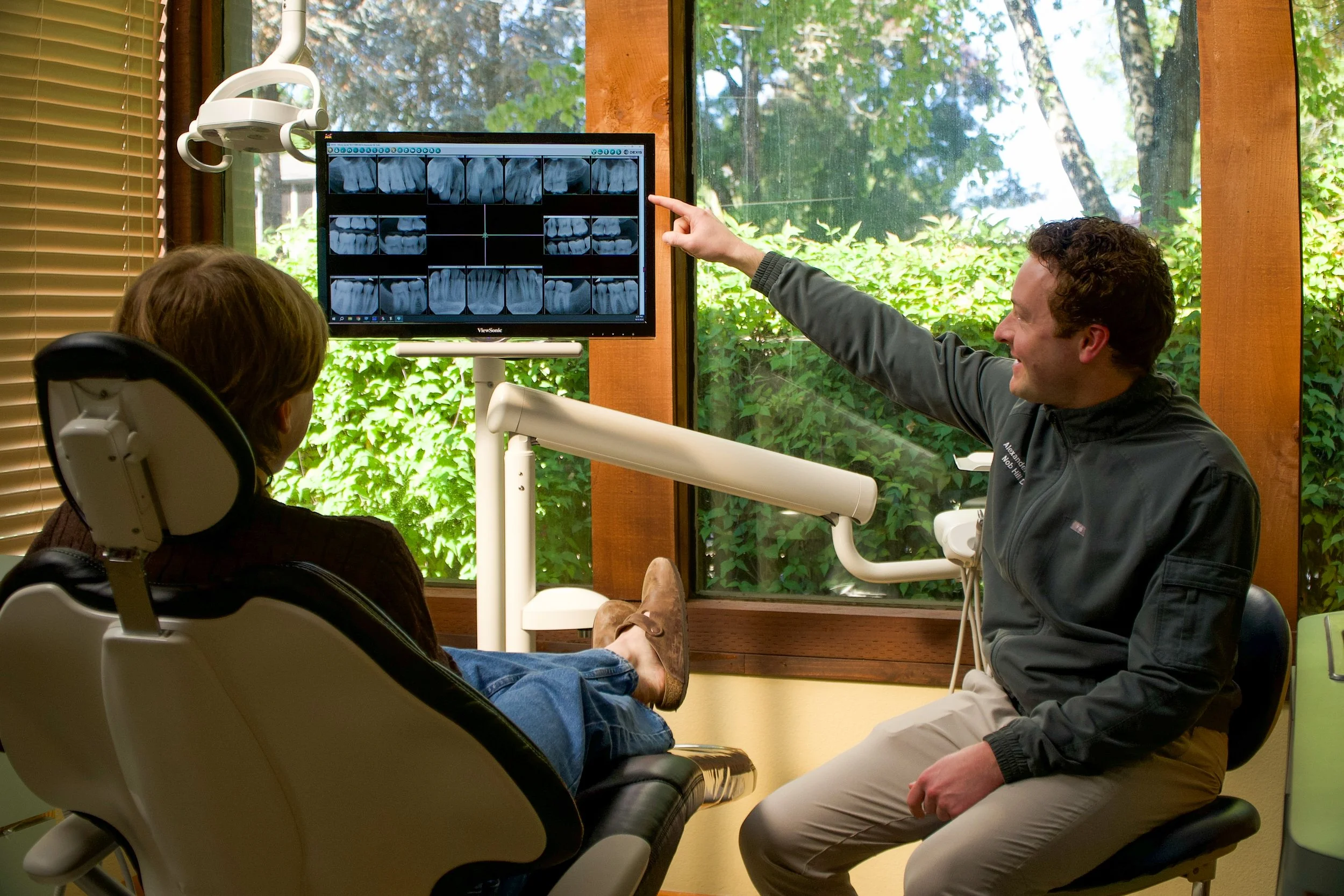
Every root canal starts with a conversation. Dr. Alexander Zuk will examine the tooth, review any imaging needed, and walk you through exactly what he's seeing and why treatment is recommended. You'll understand your options before any work begins.
The Procedure
The tooth is thoroughly numbed so the procedure is comfortable. We remove the infected pulp, then clean and shape the inner canals of the tooth to remove bacteria. The space is then sealed to protect it from future infection. Most root canals are completed in one to two visits, depending on the tooth and the extent of infection.
Restoring Your Tooth After Treatment
A tooth that has had a root canal is more prone to fracture, since it no longer has a live blood supply. In most cases for molars and premolars, we recommend an overlay or other restoration to protect the tooth and restore its strength for everyday use. We'll talk through the best restorative option for your specific tooth and situation.

Root Canal Aftercare
Mild soreness for a few days after treatment is normal and typically manageable with over-the-counter pain relief. We'll give you clear aftercare instructions before you leave, and our team is always available if you have questions during your recovery. With proper aftercare and, when needed, a protective crown, a tooth treated with a root canal can often last for many years, sometimes a lifetime.
FAQs
-
Modern root canal treatment is performed under local anesthesia, so the procedure itself shouldn't hurt. Most patients report the experience is comparable to getting a filling. Some mild soreness afterwards is normal and usually fades within a few days.
-
Most root canals are completed in one to two appointments, typically 60 to 90 minutes each, depending on which tooth is involved and how extensive the infection is.
-
In many cases, yes. A tooth that has had a root canal loses some of its natural strength, so we typically recommend an overlay or other protective restoration to prevent fracture and support normal chewing function. Whenever possible, we favor conservative options like overlays over traditional crowns to preserve more of your natural tooth.
-
Untreated infection inside a tooth doesn't resolve on its own. It can lead to worsening pain, a spreading abscess, bone loss around the tooth, and eventually loss of the tooth itself. Addressing it early is almost always the more conservative option.
-
In nearly every case, yes. Saving your natural tooth preserves your bite, avoids shifting of neighboring teeth, and eliminates the need for a bridge or implant later. We treat root canal therapy as the tooth-conserving alternative to extraction whenever the tooth can reasonably be saved.
-
Cost depends on which tooth is treated and the restoration needed afterwards. Many dental insurance plans provide partial coverage for root canal treatment. Our team can help you understand your coverage and out-of-pocket cost before treatment begins. Visit our Insurance page for more information, or contact our office directly.
-
Yes. We practice conservative, biomimetic dentistry, which means we only recommend a root canal when it's genuinely the right treatment for the tooth. If a less invasive option can resolve the issue and preserve the tooth's natural nerve, we'll discuss that option first.