
Can a Damaged Tooth Be Repaired Without a Crown?
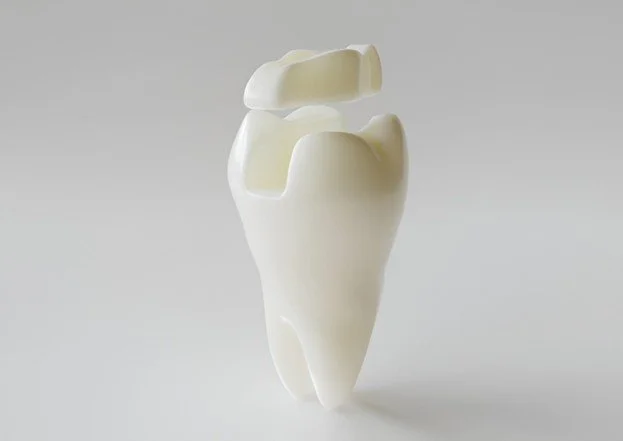
A chipped, cracked or decayed tooth does not always need a crown. In many cases, a more conservative repair can restore strength and appearance while keeping more of your natural tooth. At Nob Hill Dental, we focus on treatment that protects healthy structure for the long term. This guide explains when a crown can be avoided and which alternatives may suit your tooth.
Key Takeaways
Many damaged teeth can be repaired without a full crown.
Bonding, fillings, inlays, onlays and overlays are common alternatives.
The right choice depends on how much healthy tooth remains.
Some cracked or heavily damaged teeth still need a crown.
Early treatment gives you more conservative options.
Why Tooth Damage Is So Common
Teeth face enormous daily stress from chewing, grinding and temperature changes. Decay adds to the problem. According to the Centers for Disease Control and Prevention, about one in five adults aged 20 to 64 has at least one untreated cavity.
When decay or a crack is left untreated, it usually grows. That is why acting early can make the difference between a small, conservative repair and a larger restoration.
When Is a Crown Usually Recommended?
Crowns cover the entire visible part of a tooth. They have long been the standard choice for teeth that are badly broken or heavily filled. However, placing a crown requires reshaping the tooth on all sides, which removes healthy structure that can never grow back. For that reason, many dentists now consider whether a more conservative biomimetic dentistry repair can do the job first.
Alternatives to a Dental Crown
Depending on the type and size of the damage, these options may restore your tooth without full coverage.
1. Dental Bonding
Bonding uses tooth colored composite resin to repair small chips, cracks and gaps. It is quick, affordable and usually completed in a single visit.
WebMD's guide to repairing broken teeth notes that bonding is commonly used for small chips and often does not require numbing. According to MedicineNet, bonding on front teeth can last between 3 and 10 years, depending on its size and your habits.
2. Composite Fillings and Restorations
For decay or moderate damage, a carefully layered composite restoration can rebuild the tooth while bonding directly to the remaining enamel and dentin. Modern bonding techniques help seal the tooth and support its natural strength.
3. Inlays, Onlays and Overlays
When damage is too large for a filling but does not affect the whole tooth, an inlay, onlay or overlay can be a strong middle ground. These restorations cover and protect weakened areas, such as cusps, while leaving healthy tooth structure in place.
They are often made from ceramic or composite and bonded firmly to the tooth.
4. Minimally Invasive Treatment for Early Decay
Not every problem needs drilling. The CareQuest Institute for Oral Health describes minimally invasive care as an approach that can prevent and treat decay without removing tooth structure, using options such as fluoride varnish and silver diamine fluoride for suitable cases.
What About Cracked Teeth?
Cracks are among the most challenging dental problems. The American Association of Endodontists explains that cracks range from harmless craze lines in the enamel to fractured cusps, cracked teeth and split teeth. Craze lines usually need no treatment, while a fractured cusp can often be repaired with a new filling or a crown.
Large research from across the United States offers helpful perspective. The Cracked Tooth Registry, published in the Journal of the American Dental Association, followed 2,858 patients from 209 dental practices for three years. It found that 98 percent of cracked teeth were still in place after three years, and only 3 percent developed fractures.
Still, cracks need careful assessment. A long term study in the Journal of Endodontics found that cracked teeth restored with full coverage crowns had lower tooth loss than those restored with onlays. In other words, some cracked teeth genuinely benefit from a crown.
When a Crown May Still Be the Best Option
Conservative care is not right for every tooth. A crown may be the better choice when:
Most of the tooth is broken or missing
A crack extends deep into the tooth
The tooth has had a root canal and is weakened
Large old restorations keep failing
The tooth supports a bridge or implant restoration
A thorough exam helps your dentist weigh the risks and benefits of each approach for your specific tooth.
How Your Dentist Decides
Choosing between a conservative repair and a crown involves several factors:
Amount of healthy tooth left. More healthy structure usually means more conservative options.
Location of the damage. Back teeth handle heavier chewing forces than front teeth.
Type of crack or break. Some cracks can be sealed, while others need full protection.
Bite and habits. Grinding or clenching may affect which restoration will last.
Your goals. Appearance, budget and long term plans all matter.
Signs You Should See a Dentist
Pain when biting or releasing pressure
Sensitivity to hot or cold
A visible chip, crack or rough edge
Food catching in a new spot
A filling that feels loose or broken
Seeing a dentist early often means a smaller, simpler repair.
Caring for a Repaired Tooth
Whichever restoration you receive, daily habits play a big role in how long it lasts. A few simple steps help protect your investment:
Brush twice a day with fluoride toothpaste and clean between teeth daily.
Avoid chewing ice, pens or other hard objects.
Wear a night guard if you grind or clench your teeth.
Limit sugary snacks and acidic drinks between meals.
Keep up with regular checkups so small problems are caught early.
With good care, a conservative repair can serve you well for many years.
Conclusion
Many damaged teeth can be repaired without a crown using bonding, composite restorations, onlays or overlays. These options protect more of your natural tooth and keep future choices open. When a crown is truly needed, careful planning still makes a difference. To find the best option for your tooth, reach out to Nob Hill Dental. Contact our team today to book an exam.
FAQs:
Can a broken tooth be fixed without a crown?
Often yes. Bonding, composite restorations, onlays or overlays can repair many broken teeth without full coverage.
What is an alternative to a dental crown?
Common alternatives include dental bonding, composite fillings, inlays, onlays and overlays, depending on the damage.
Can a cracked tooth heal on its own?
No. A crack in a tooth does not heal, but timely treatment can relieve pain and limit spreading.
Is an onlay better than a crown?
An onlay preserves more natural tooth, but crowns may be better for some cracked or severely damaged teeth.
How long does dental bonding last?
Dental bonding typically lasts between 3 and 10 years, depending on its size, location and your habits.
When does a tooth definitely need a crown?
A crown is usually needed when most of the tooth is lost or a deep crack threatens it.