
Dental Bridges in Salem
A Fixed, Natural-Looking Way to Replace a Missing Tooth
A missing tooth affects more than your smile. It changes how you chew, how your bite comes together, and over time, how your neighboring teeth shift to fill the gap. A dental bridge closes that space with a fixed restoration that looks, feels, and functions like your natural teeth — no removing it at night, no adjusting to a removable appliance.
At our Salem practice, we design every bridge around your specific bite, gum health, and long-term goals, using techniques that protect as much of your natural tooth structure as possible.
What Is a Dental Bridge?
A bridge is a fixed restoration that "bridges" the gap left by one or more missing teeth. It typically consists of a replacement tooth (called a pontic) anchored in place by the teeth or implants on either side of the gap. Unlike a removable partial denture, a bridge is cemented or bonded into position, so it stays put and functions as part of your normal bite.

Types of Bridges We Offer
Not every gap calls for the same solution. During your exam, Dr. Alexander Zuk will walk you through which option best fits your tooth structure, gum health, and budget.
Traditional Bridges
A traditional bridge uses the two teeth next to the gap as anchors, called abutment teeth. Those teeth are prepared and crowned, and a replacement tooth is fused between them. Because this option involves altering healthy neighboring teeth, we typically reserve it for cases where a Maryland bridge or implant isn't a good fit. This is a permanent, long-lasting way to replace a missing tooth when the neighboring teeth are healthy enough to support it.
Maryland Bridges
A Maryland bridge is a more conservative option that bonds the replacement tooth to the back of the neighboring teeth using a metal or ceramic framework, rather than crowning them. Because it requires less alteration of the surrounding tooth structure, it's a good fit for certain front-tooth replacements when the neighboring teeth are otherwise healthy.
Composite (Temporary) Bridges
Sometimes a bridge isn't meant to be the final answer, it's a bridge in the truest sense of the word. A composite bridge can hold the space, restore your bite, and maintain your smile for months or years while you decide on or prepare for a permanent implant. It's a practical, budget-conscious way to avoid living with a gap in the meantime.
Is a Dental Implant Right for You?
Most healthy adults with adequate jawbone density are good candidates for dental implants. You may be a candidate if you:
Are missing one or more teeth and want a permanent, independent replacement
Have a loose denture or partial and want a more stable, secure option
Have enough healthy bone to support an implant, or are open to bone grafting if needed
Are in good general oral health, with any gum disease under control first
The best way to know for certain is a consultation and imaging with Dr. Zuk, who will evaluate your bone structure and overall oral health before recommending a treatment plan.
What to Expect During Implant Treatment?
Consultation and Planning
Every implant case starts with a detailed exam and imaging to assess your jawbone and plan precise implant placement. We'll walk you through your options, timeline, and what the finished restoration will look like before any treatment begins.
Placing the Implant
The implant post is placed into the jawbone under local anesthesia. Over the following months, the bone fuses with the implant in a process called osseointegration, creating a stable foundation for the final restoration.
Healing and Restoration
Once healing is complete, a custom abutment and crown are fitted and attached to the implant. Every restoration is designed to match the color, shape, and function of your natural teeth, so the result feels like your own.
Is a Bridge Right for You?
A bridge may be a good option if you:
Are missing one or more teeth and want a fixed, non-removable solution
Have healthy, stable teeth on either side of the gap that can support a bridge
Want to restore your bite and prevent surrounding teeth from shifting
Are looking for a faster timeline than implant placement typically allows
Need a reliable way to hold space before committing to an implant
If your case calls for a different approach, including an implant, which replaces the missing tooth without involving neighboring teeth, we'll discuss that with you honestly during your consultation. Our goal is always the option that serves your long-term oral health, not just the fastest fix.
What to Expect?
Your Consultation
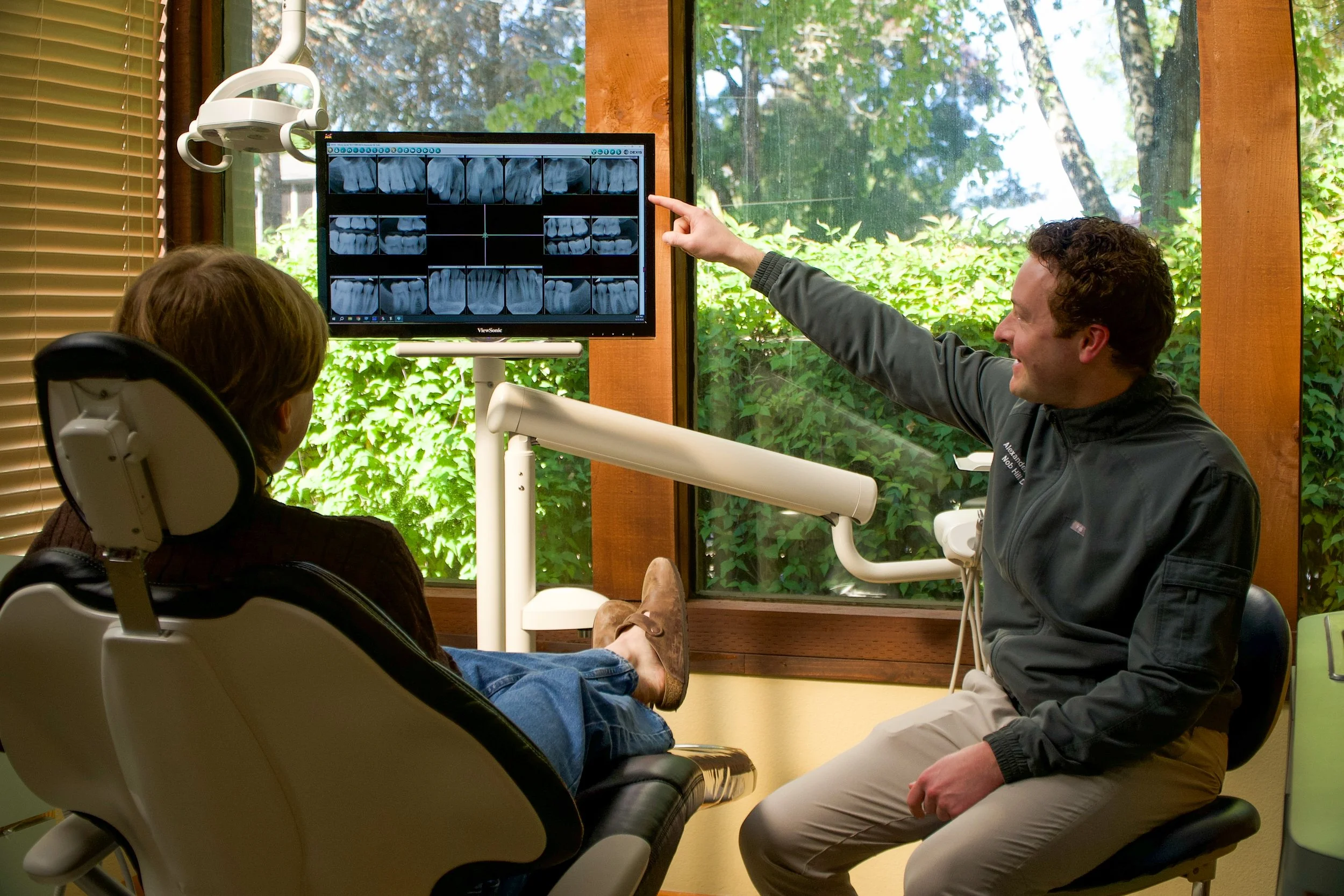
We start with a thorough exam, imaging as needed, and an honest conversation about your options. Dr. Zuk will explain which type of bridge fits your situation and why, so you're making an informed decision, not guessing.
Preparing the Teeth
For traditional and Maryland bridges, the abutment teeth are gently prepared to receive the bridge. We take precise impressions or digital scans to ensure your final restoration fits comfortably and matches your natural bite.
Placing Your Bridge
A temporary bridge protects the area while your permanent restoration is custom-made. Once it's ready, we check the fit, contact, and bite carefully before permanently cementing or bonding it into place.

Caring for Your Bridge
A well-made bridge can last well over a decade with the right care. That means:
Brushing and flossing daily, including under the bridge with a floss threader or water flosser
Keeping up with regular cleanings and exams so we can monitor the abutment teeth and gum health around the bridge
Avoiding excessive force on the bridge, like chewing ice or very hard foods
Wearing a nightguard if you grind your teeth, to protect your investment
FAQs
-
With good oral hygiene and regular dental visits, a traditional bridge can last 10 to 15 years or longer. Its lifespan depends largely on the health of the abutment teeth and how well the area is cleaned each day.
-
Most patients feel little to no discomfort. We use local anesthesia when preparing the teeth, and any mild sensitivity afterwards is typically temporary and manageable with over-the-counter pain relief.
-
A bridge relies on the neighboring teeth for support, while an implant is placed directly into the jawbone and stands independently, without involving adjacent teeth. Bridges are often faster to complete and don't require surgery, while implants preserve more of the surrounding tooth structure over the long term. Dr. Alexander Zuk can help you weigh both options based on your bite, bone health, and goals.
-
Yes. Once your bridge is permanently placed, you can eat most foods as you normally would. We do recommend avoiding very hard or sticky foods that could damage the restoration or put excess strain on the abutment teeth.
-
Yes. Bridges are custom-made to match the size, shape, and shade of your surrounding teeth, so the final result blends naturally with your smile.
-
Because a traditional bridge is fused to the abutment teeth, regular floss can't get underneath the pontic. A floss threader, super floss, or water flosser can be used to keep the area clean and prevent gum irritation or decay at the margins.
-
Left unaddressed, a gap can allow neighboring teeth to shift or tilt, opposing teeth to over-erupt, and the bite to gradually change. Over time, this can lead to additional dental issues that are more complex and more costly to correct than replacing the tooth early on.