

Tooth Removal (Extractions) in Salem, OR
At Nob Hill Dental, extraction is never our first option, it's our last one. Because we practice biomimetic dentistry, our focus is always on saving and conserving your natural tooth structure whenever possible. But sometimes a tooth is too damaged, infected, or crowded to be saved, and removing it is the healthiest choice for your mouth. When that's the case, Dr. Zuk and our team provide gentle, careful extractions and help you understand your options for what comes next.
When a Tooth Needs to Be Removed?
We only recommend extraction after a thorough exam and a real conversation about the alternatives. A tooth may need to come out when:
Decay or infection has destroyed too much of the tooth to restore it
A tooth is fractured below the gumline or split at the root
Advanced periodontal (gum) disease has left a tooth without enough bone support
A wisdom tooth is difficult to clean, impacted, crowded, or causing pain and recurring infection
Severe crowding requires more space for orthodontic treatment
A baby tooth isn't falling out on its own and is blocking the adult tooth underneath
If there's a way to save your tooth, through a root canal, a crown, or another restorative option, we'll walk you through it first. Extraction only comes up once we've genuinely run out of better alternatives.
Our Approach to Tooth Extractions
A Conservative Philosophy, Even at the End of the Road
We don't recommend extractions on a whim. We'll explain exactly why a tooth can't be saved, answer your questions honestly, and make sure you feel confident in the plan before moving forward.
Comfort-Focused Technique
We use modern techniques and thorough local anesthesia to keep the procedure as comfortable as possible. Most extractions are quicker and easier than patients expect, and our team will walk you through every step beforehand so there are no surprises.
Protecting the Space for What Comes Next
Whenever it's appropriate, we consider how the extraction site will affect future treatment, including bone preservation and your options for replacing the tooth, so you're set up for the best possible long-term outcome.
Types of Extractions We Perform
For teeth that are visible and accessible above the gumline, a simple extraction is typically quick, straightforward, and performed with local anesthesia.
Simple Extractions
Teeth that are broken at the gumline, impacted, or difficult to access may require a surgical approach. We'll discuss what this involves and whether referral to a specialist is appropriate for your particular case.
Surgical Extractions
Wisdom Tooth Removal
Impacted or problematic wisdom teeth are one of the most common reasons for extraction. We evaluate wisdom teeth as part of your regular exams and will let you know if removal is recommended before they cause pain, infection, or damage to neighboring teeth. Oftentimes we recommend wisdom teeth removal before they cause problems because it reduces the risk of severe, life-threatening infections.
What to Expect During Your Extraction?
Knowing what happens before, during, and after your visit can ease any worry. Here's a clear look at how we guide you through the entire extraction process.
Your Consultation and Diagnosis
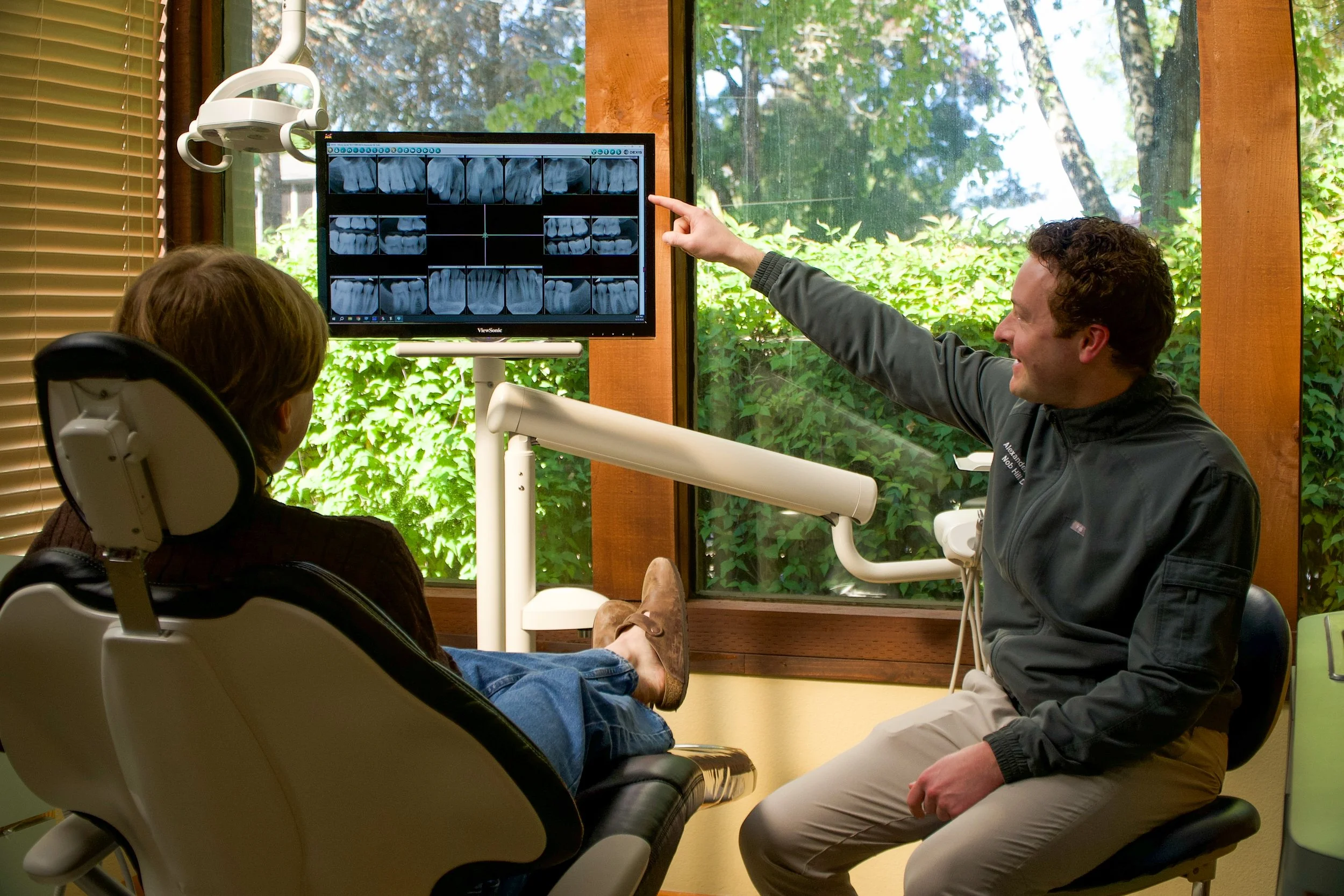
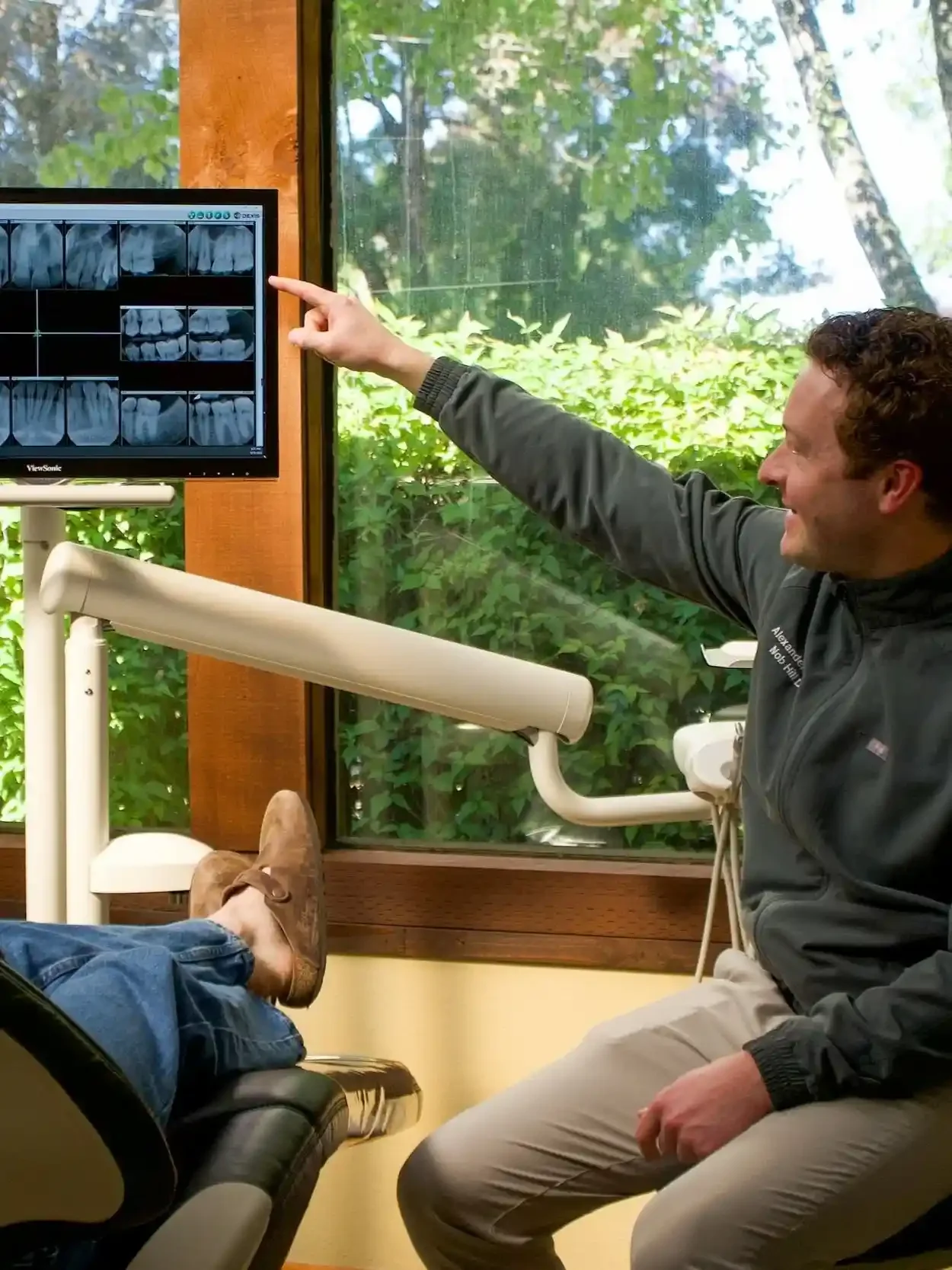
Every extraction starts with a conversation. Dr. Alexander Zuk will examine the tooth, review any needed imaging, and walk you through exactly why the tooth can't be saved and what removal involves. You'll understand your options before any work begins.
The Procedure
The tooth is thoroughly numbed so the procedure is comfortable; you'll feel pressure, not pain. We carefully loosen and remove the tooth, taking care to protect the surrounding bone and gum tissue. Most simple extractions are completed in a single, relatively short visit.
Aftercare and Recovery
Proper aftercare helps your mouth heal quickly and comfortably. General guidelines include:
Bite down gently on gauze for the first few hours to help a blood clot form
After the first 24 hours, keep the surgical site clean by brushing gently and rinsing carefully around it
Stick to soft foods and lukewarm liquids for the first day or two
Manage swelling with a cold compress and take medication as directed
Avoid smoking, which can slow healing and increase the risk of complications
Keep the surgical site clean, lightly brush and rinse gently around it
Avoid straws, or anything that might cause suction
Most patients feel back to normal within a few days. If you experience heavy bleeding, severe pain, fever, or symptoms that worsen instead of improve, contact our office right away.

Replacing a Missing Tooth
Once a tooth is removed, it's worth discussing how to replace it, especially since shifting teeth and bone loss can create bigger problems down the road. Depending on your situation, we may recommend:
Dental Implants — A long-term, stand-alone replacement for a single missing tooth
Bridges — Using neighboring teeth to support a fixed replacement
Removable Partials or Dentures — A flexible option for replacing one or several teeth
We'll help you weigh the options based on your oral health, budget, and long-term goals, so you leave with a clear plan rather than just a gap.
FAQs
-
Your mouth is thoroughly numbed before the procedure begins, so you shouldn't feel pain during the extraction itself, just pressure. Some soreness afterwards is normal and is typically manageable with over-the-counter or prescribed pain medication.
-
We'll examine the tooth, review any necessary X-rays, and discuss all reasonable options with you first. Because we practice biomimetic dentistry, extraction is only recommended when the tooth truly can't be restored.
-
Most patients feel significantly better within two to three days and are fully healed within one to two weeks. Recovery time can vary depending on whether the extraction was simple or surgical.
-
In most cases, yes. Leaving a gap can lead to shifting teeth, bite problems, and bone loss over time. We offer options such as implants, bridges, or partials to fit your needs.
-
Patients should stick to soft, cool, or lukewarm foods for the first day or two, such as yogurt, mashed potatoes, and smoothies without a straw. Detailed aftercare instructions specific to the procedure are provided before leaving the office.
-
Not always, but for the majority of people, yes. Some wisdom teeth come in properly aligned and cause no problems, while others become impacted, crowded, or infected and are better removed before they cause damage. This is evaluated during regular dental exams.
-
Many dental insurance plans provide at least partial coverage for extractions, though benefits vary by provider and plan. Our team at Nob Hill Dental can help verify coverage and explain options before treatment.